


-- Septic Solutions LLC Shares Lessons From Septic Systems Installed in 1974, 1977, and 1988
Three Snohomish County cases show how deferred maintenance, root intrusion, hidden pipe damage, and construction-era limitations can reduce the capacity of aging septic systems
ARLINGTON, Wash., Aug. 24, 2026 — A septic system installed the same year Nixon resigned does not send a warning text when something underground begins to go wrong. It may keep moving wastewater for years while roots, sediment, damaged pipes, or reduced drainfield capacity quietly make the problem worse. Septic Solutions LLC, a family-owned septic company based in Arlington and serving Snohomish, King, Skagit, Island, and Whatcom counties, is sharing three documented Snohomish County cases involving systems installed in 1974, 1977, and 1988. Each developed serious problems for a different reason.
“People assume a septic system either works or it doesn’t, like a light switch,” said Art Nikolin, Operations Manager of Septic Solutions LLC. “What we actually see is closer to a slow leak in a tire. The system can keep operating while something underground gradually gets worse. By the time the homeowner notices recurring backups, odors, standing water, or unusually frequent pumping needs, the underlying condition may have been developing for years.” Nikolin has worked in the septic industry since 2017 and combines hands-on field experience with system diagnostics and homeowner education.
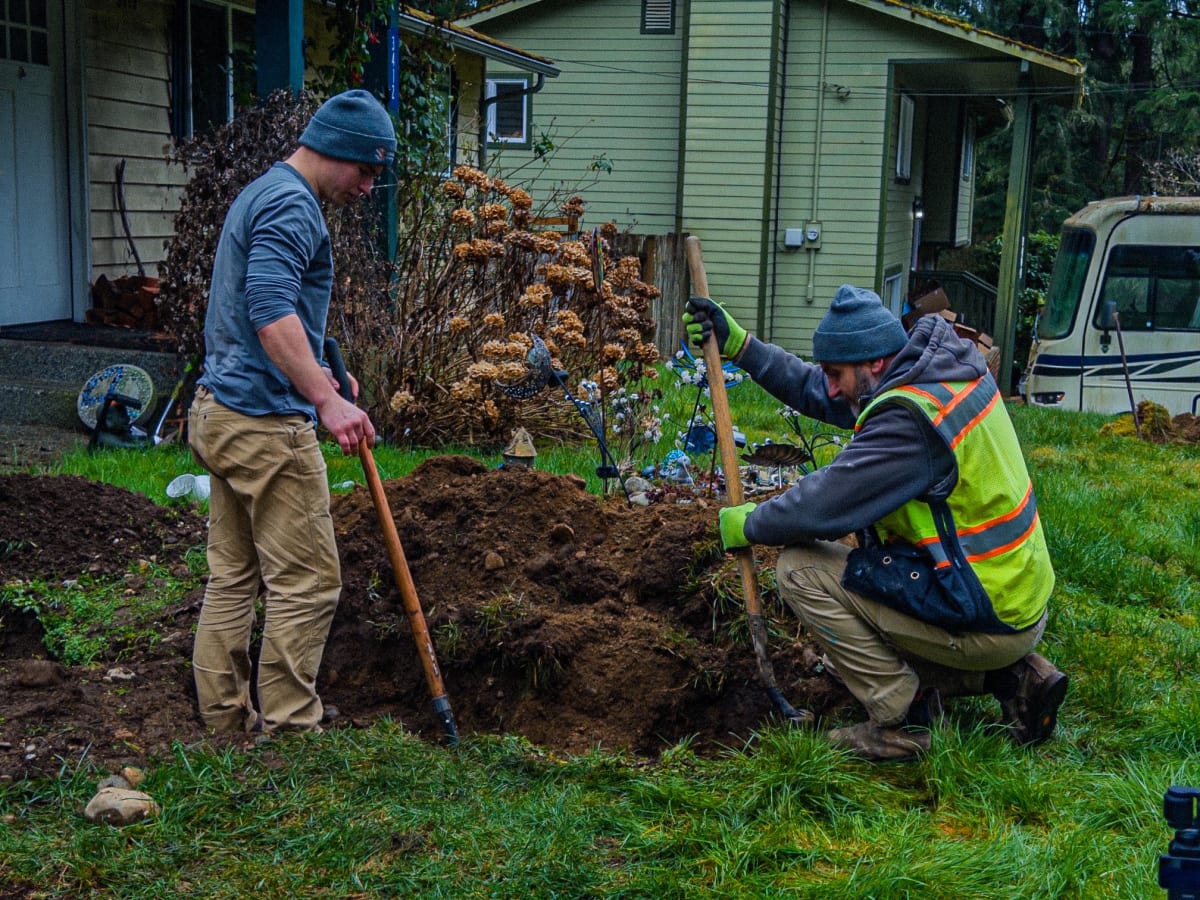
In the first case, a Marysville homeowner called in late January 2026 after every drain in the house stopped working at once, with standing water and a persistent odor spreading across the backyard. The system, installed in 1974, had, by the homeowner's own account, likely never received a full professional service in its 52-year life. Technicians pumped roughly 1,000 gallons on the first visit to stabilize the home, then returned a week later, after the homeowner removed a deck that covered part of the drainfield, to map the drainfield layout on-site and locate the affected sections. The drain line had three blockages caused by long-term sand and sediment buildup. Based on company pricing reviewed August 5, 2026, a comparable scope involving emergency pumping, diagnostics, targeted excavation, drainfield repair, distribution-box installation, and final testing typically ranges from $7,000 to $10,000.
“The mindset of ‘I’ll just pump it when it fills up’ can allow an underlying problem to keep getting worse,” Nikolin said. “Pumping restored the home’s plumbing in this case, but diagnosing and repairing the blocked drain lines is what restored the system.”
The second case, involving a 1977 system in Marysville, developed serious problems through a more layered combination of causes. A camera inspection found tree roots blocking the drain line beneath the porch, but they were only part of the problem. A high-pressure hydro flush caused water to surface in another section of the yard, and excavation there revealed a crushed pipe. Based on the location and condition of the damage, technicians concluded that the most likely explanation was heavy equipment crossing the burial area during the original 1977 backfill. Nearly half the drainfield had been operating at reduced capacity for decades as a result. “Tree root intrusion is a recurring cause of drain-line problems on properties with mature landscaping,” Nikolin said. “Homeowners may have no visible indication of what is happening underground. Inspection findings, camera diagnostics, flushing, and targeted excavation can help us distinguish root intrusion from a separate mechanical failure.” The final restoration included replacement drain lines, a new distribution box, and a surface-accessible service riser. Based on company pricing reviewed August 5, 2026, a comparable full-scope project involving diagnostics, pumping, line replacement, distribution-box installation, a service riser, and county permitting typically ranges from $8,000 to $15,000.
The third case, involving a 1988 system in North Marysville, illustrates a construction-era limitation rather than homeowner neglect. The system had begun requiring increasingly frequent pump-outs before it actively backed up. During the first visit, technicians pumped the 1,000-gallon tank so the family could continue using the plumbing while a diagnostic return visit was scheduled. The follow-up investigation found that the drainfield had been constructed without filter fabric between the gravel bed and the surrounding native soil. The company’s case study notes that filter fabric was not yet used consistently in residential septic construction when many Western Washington systems of that era were built. Over approximately 38 years, fine sand migrated into the gravel and drain pipes, while soil settlement also deformed and broke several pipe sections. The documented total for the two-visit project initiated on April 23, 2026, was $5,056. That amount included the initial emergency pump-out, camera and locator diagnostics, four targeted excavations, drainfield flushing, replacement of damaged pipe sections, baffle service, site restoration, and a 230-gallon stress test.
“Nothing in the current homeowner’s use caused the original construction condition,” Nikolin said. “The system operated for nearly four decades before accumulated sand and pipe damage reduced the drainfield’s capacity. Pumping temporarily relieved the backup, but it could not remove the material that had accumulated inside the field.” The tank itself did not require replacement. The repair focused on the drainfield, demonstrating why technicians need to identify the location and cause of a failure before recommending a targeted repair or complete system replacement.
Taken together, the three cases show why the installation year alone does not provide a diagnosis. Maintenance history, tree locations, pipe condition, original construction practices, site access, and the drainfield’s ability to accept wastewater can all affect how an older system performs.
A system that begins backing up again soon after pumping, or starts requiring substantially more frequent pumping than its prior service history would suggest, may need further diagnosis. Depending on the system and the symptoms, that work may include a review of county records, electronic locating, a camera scope, flow testing, hydraulic testing, or targeted excavation.
Septic Solutions provides septic inspection services and septic system troubleshooting to determine whether recurring symptoms originate in the tank, distribution components, pumps, controls, piping, or drainfield. Camera diagnostics can reveal conditions that are not visible from the surface, but they are one diagnostic tool rather than a mandatory part of every routine inspection.
The company also maintains a free Snohomish County septic records search that can help homeowners locate available as-built drawings, permits, inspection history, and service records before field work begins. These records may confirm the installation date, tank location, drainfield layout, or original design, although technicians must still compare the documents with the system and property they find on-site. The company also provides county-record assistance for properties in King, Skagit, and Island counties. Record availability and reporting systems vary by county.
About Septic Solutions LLC
Septic Solutions LLC is a family-owned septic company based in Arlington, Washington, with additional operating locations in Mill Creek, Redmond, and Mount Vernon. The company provides septic pumping, inspections, troubleshooting, maintenance, repairs, drainfield work, system installation, and 24/7 emergency service across Snohomish, King, Skagit, Island, and Whatcom counties. Homeowners can request service or a property-specific estimate through septicsolutionsllc.com or contact the Arlington main office at (425) 553-3422.
Media Contact:
Art Nikolin, Operations Manager
Septic Solutions LLC
Arlington, Washington
Phone: (425) 553-3422
Email: [email protected]
Website: septicsolutionsllc.com
Contact Info:
Name: Art Nikolin
Email: Send Email
Organization: Septic Solutions LLC
Address: Arlington, Washington
Phone: (425) 553-3422
Website: https://septicsolutionsllc.com
Release ID: 89201449
 Google
 RSS
RSS