


-- As 2026 draws to a close, Oceanside estate planning attorney William "Dan" Powell of My Estate-Plan is encouraging California families to review their plans before December 31. Three items deserve a second look: the annual gift tax exclusion, which resets each calendar year; whether a trust has actually been funded; and the Medi-Cal asset limit, which returned on January 1, 2026, and is now being applied as enrolled seniors reach their annual renewals.
Does the $19,000 Gift Tax Exclusion Reset at the End of the Year?
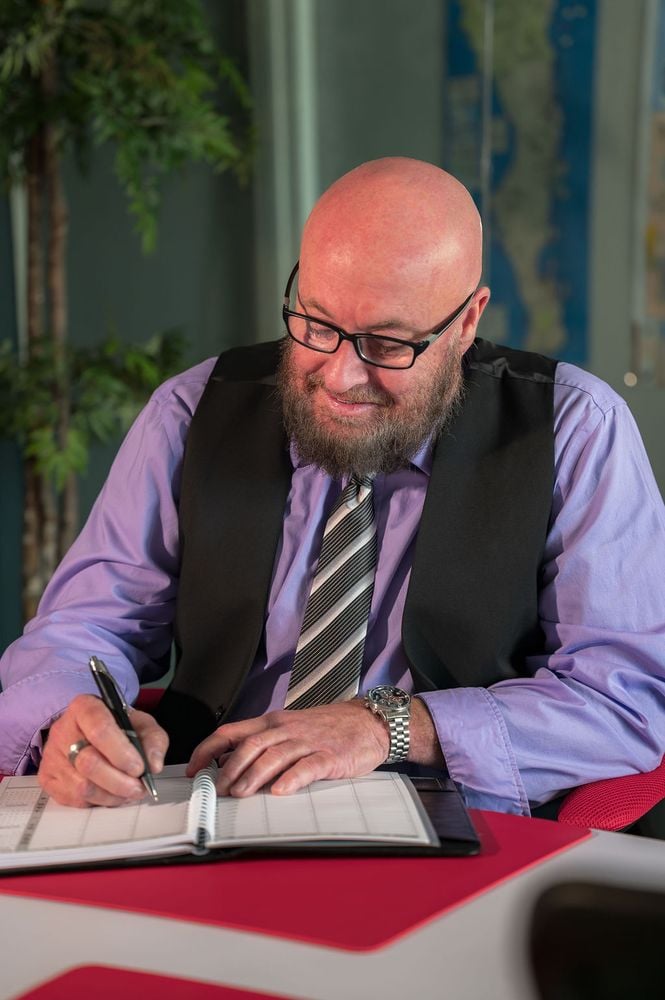
William “Dan” Powell, estate planning attorney and founder of My Estate-Plan in Oceanside, encourages California families to review their estate plans before December 31.
Yes. The annual gift tax exclusion is $19,000 per recipient for 2026, or $38,000 for a married couple splitting gifts, and an unused amount does not carry into the next year. Gifts within the exclusion do not count against the federal lifetime estate and gift tax exemption, which is $15 million per person for 2026. California has no state estate or inheritance tax, so for most families the federal estate tax is not the main reason to plan. The more common costs are probate and the delay and public record that come with it.
Confirming a Trust Is Funded
A living trust controls only the assets titled in its name. A home, account, or business interest left in an individual's name can still go through probate even when a trust exists. A living trust attorney can confirm that deeds, account titles, and beneficiary designations match the plan, particularly after a purchase, a refinance, or a new account.
The stakes are financial. California sets probate attorney fees by statute as a percentage of the estate's gross value, not its equity: 4 percent of the first $100,000, 3 percent of the next $100,000, 2 percent of the next $800,000, and smaller percentages above that. The state did expand its probate shortcuts in April 2025, allowing up to $208,850 in personal property to pass by affidavit and a primary residence worth up to $750,000 to use a simplified petition. Both limits are based on gross value, and a more valuable home generally still goes through full probate.
“People think of an estate plan as something you sign and file away,” said William "Dan" Powell, estate planning attorney and founder of My Estate-Plan. “But a plan only works if the paperwork still matches the assets and the rules. A deed that was never changed, or a savings balance that quietly crosses a threshold, can undo years of good intentions.”
What Does the Returning Medi-Cal Asset Limit Mean for Families?
Since January 1, 2026, California has counted assets again for Medi-Cal programs that serve older adults, people with disabilities, and long-term care. Under AB 116, the limit is $130,000 for an individual and $195,000 for a couple, plus $65,000 for each additional household member. Current enrollees are tested at their first annual renewal on or after January 1, and someone over the limit at renewal can lose coverage. A primary residence is generally exempt, but savings and investment accounts count, and holding assets in a revocable living trust does not shelter them from the test. A 30-month look-back can apply to transfers made to qualify for nursing-facility coverage.
An asset protection lawyer can explain which tools, such as irrevocable trusts, may apply to a particular family, and why that planning has to happen before a need arises.
Which Documents Should Be Updated After a Life Change?
Marriage, divorce, a birth, a death, a move, or a new business or property can all change what a plan should say. William "Dan" Powell recommends confirming that the agents named in a power of attorney and advance health care directive are still the right people. Families with a loved one who has a disability should also confirm that their plan protects eligibility for public benefits, and a special needs trust attorney can structure those arrangements so an inheritance does not interrupt them.
Anyone in Oceanside or San Diego County searching for an estate planning attorney near me can contact My Estate-Plan.
About My Estate-Plan
My Estate-Plan is an Oceanside estate planning law firm dedicated to helping individuals and families protect their assets, provide for their loved ones, and plan confidently for the future. The firm offers a full range of estate planning services, including last wills and testaments, revocable and irrevocable trusts, powers of attorney, healthcare directives, trust administration, probate guidance, and estate plan reviews and updates. My Estate-Plan is committed to providing clear, personalized legal counsel to clients throughout San Diego County, guiding them through every stage of the estate planning process with compassion and professionalism.
Contact Info:
Name: William “Dan” Powell
Email: Send Email
Organization: My Estate-Plan
Address: 4760 Oceanside Blvd Ste B3, Oceanside, CA 92056
Phone: (619) 980-2297
Website: https://myestate-plan.com/
Release ID: 89206790

 Google
 RSS
