


-- Military shelters support far more than basic cover. They shape how forces move, organize, and operate under pressure. From the first days of deployment to long-term presence, shelter planning affects speed, safety, and coordination. When shelters are built into defense planning early, they become a working asset instead of a reactive fix.

Military Shelters as Operational Infrastructure
Military shelters, a market that's projected to grow to USD$1.37 billion by 2032, serve as the physical framework of operations. They connect logistics, personnel, and command into a usable system.
At a basic level, shelters house people and protect equipment. Beyond that, they create defined spaces for planning, coordination, and rest. When a military shelter system is reliable, daily operations stay organized even in remote or unstable areas.
Consistency also matters. When units deploy with familiar shelter systems, setup becomes faster. Expectations stay clear. Movement between base camps and a forward operating base feels more controlled and less disruptive.
Speed, Mobility, and Rapid Deployment
Speed often determines how well a mission begins. Shelter systems play a direct role in that timeline.
Shelters designed for rapid deployment can be transported and assembled with limited tools and crews. That allows base camps to become functional sooner. Command, medical, and support activities can begin without delay.
Mobility remains just as important. When missions shift, shelters that break down easily help units move without abandoning key infrastructure. As a result, operations stay flexible instead of locked into one location.
Mission-Driven Shelter Applications
Not every mission requires the same type of shelter. Design choices change based on purpose and duration.
Base Camps and Turnkey Base Camps
Base camps support daily life as much as operations. They must handle rest, planning, and controlled movement across the site.
Turnkey base camps simplify this process by bringing multiple shelter functions together. These often include:
- Billeting facilities for rest and recovery
- Dining facilities that support consistent meal schedules
- Detainee facilities designed for separation and supervision
When these elements arrive as a complete system, setup time drops. Command teams can focus on mission planning instead of site layout. Over time, this structure also improves movement and safety inside the camp.
Field Hospitals and Mobile Field Hospitals
Medical shelters demand careful planning. Field hospitals and mobile field hospitals must function under stress and limited resources.
Layouts need space for triage, treatments like surgery, and recovery. Power and ventilation must remain stable. Access control also matters to protect patients and staff. Mobile field hospitals add flexibility by allowing medical support to move closer to active areas when conditions change.
Structural Types of Military Shelter Systems
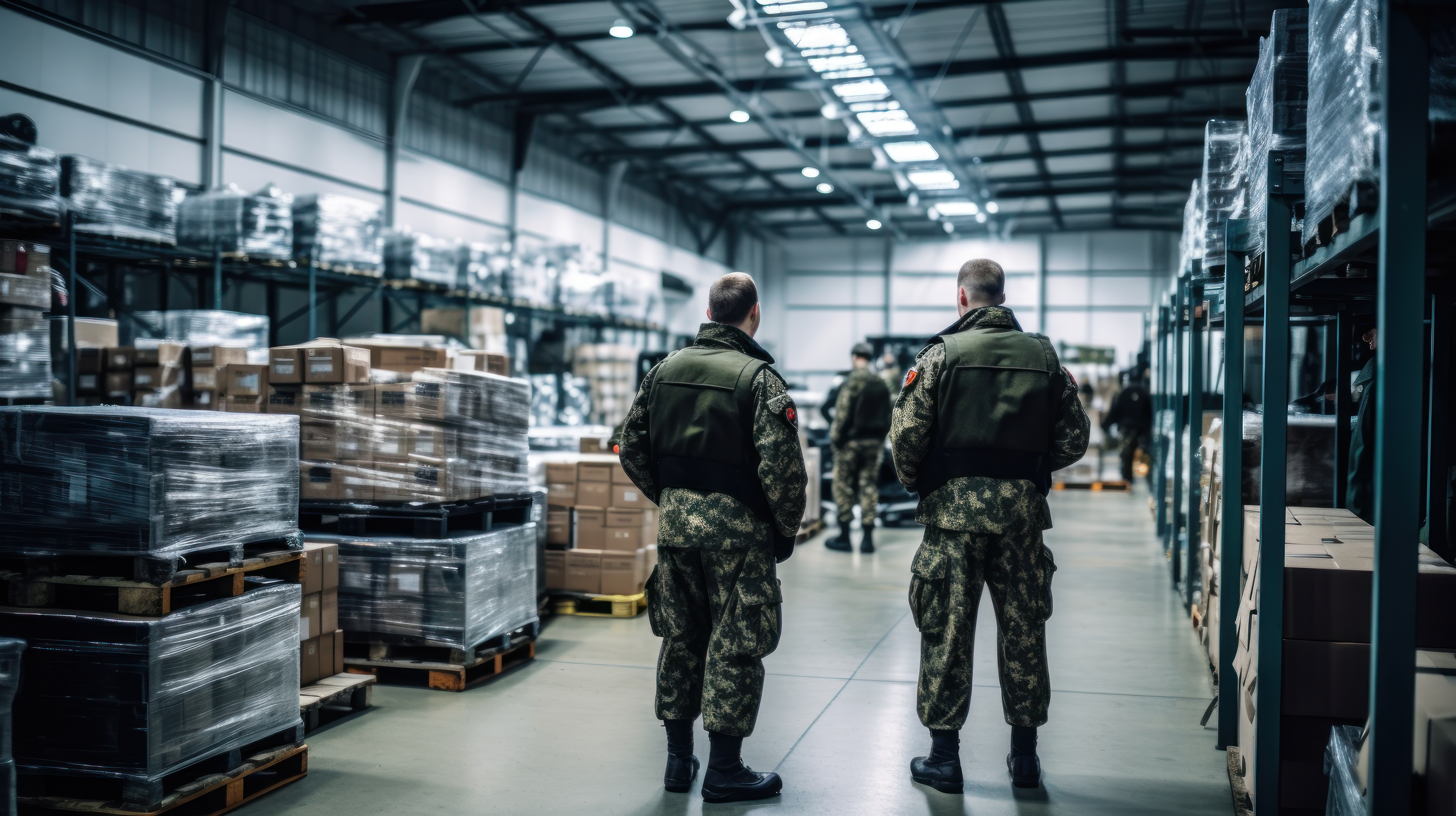
Structure choice affects how shelters perform in the field. Weight, durability, and lifespan all come into play.
Fabric Shelter and Small Shelter System Use Cases
Fabric shelters prioritize speed and transport efficiency. They work well during early deployment phases or short-duration missions.
These systems often support tactical operations centers and temporary command spaces. Because they assemble quickly, they help units establish control without waiting for permanent structures. While protection is limited, flexibility remains high.
Rigid Wall Shelter Systems and Military Aircraft Hangars
Rigid wall shelter systems support longer deployments. Their solid construction improves resistance to weather and wear.
In extended operations, planners often face a different challenge: how to protect sensitive equipment and personnel in environments where relocation is unlikely. In these cases, a containerized facility provides a more durable option that balances structural strength with modular design.
Military aircraft hangars fall into this category. They protect aircraft and allow maintenance to continue without exposure to harsh conditions. These shelters suit missions where equipment stays in place and reliability matters more than mobility.
Enhancing Capability with Shelter Accessories
A shelter becomes more effective when internal systems match operational needs.
Shelter accessories can include lighting, power distribution, climate control, and internal partitions. These features turn basic structures into functional work and living spaces.
When lighting improves, fatigue drops. When airflow stays controlled, equipment lasts longer. Over time, these upgrades help shelters support real workloads instead of acting as temporary cover.
Security, Control, and Perimeter Planning
Shelters also shape site security. Placement and layout influence how people and equipment move.
Living areas, command shelters, and storage units often align with perimeter protection plans. Guard towers near key zones improve visibility and response time. Clear separation between functions helps security teams manage access more effectively.
Order matters here. When shelter layouts stay organized, control becomes easier to maintain during both routine operations and high-pressure situations.
Planning for Evolving Defense Operations
Defense missions continue to change. Shelter systems must adapt just as quickly.
Expeditionary shelter systems allow forces to scale operations based on mission needs. Modular designs support expansion without full reconstruction. That flexibility becomes valuable when timelines extend or locations shift.
Planning always involves tradeoffs. Transport limits, durability, and setup speed must stay balanced. Shelter systems that address only one factor often create problems later. Thoughtful planning helps shelters stay useful across multiple deployments.
Conclusion
Military shelters shape how forces deploy, operate, and sustain missions. They support command, medical care, security, and daily life in demanding environments. When shelters are treated as part of the planning process from the start, operations stay faster and more controlled. Across base camps, medical facilities, and long-term deployments, military shelters remain a strategic asset in defense planning.
Release ID: 89180620

 Google
 RSS
RSS