


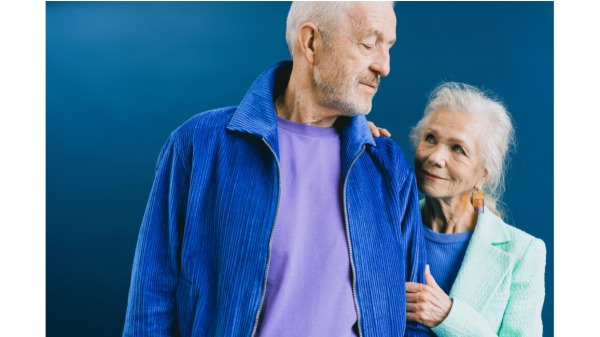
-- Recent findings from senior care specialists challenge the stereotype of the "grumpy old person," revealing that sudden mood changes in elderly adults often indicate treatable underlying conditions rather than permanent personality shifts.
According to research on aging and emotional regulation, older adults are statistically no more likely to be irritable than younger people. Studies on the Positivity Effect demonstrate that seniors tend to remember positive experiences over negative ones, resulting in generally happier and more patient dispositions. However, when elderly individuals display sudden increases in moodiness or emotional outbursts, these behavioral changes frequently point to addressable root causes.
Senior care professionals have identified five primary factors that may trigger irritability and personality changes in aging adults.
Hormonal Changes and Depression
Declining dopamine levels make elderly individuals susceptible to dopamine-deficient depression. Women experiencing menopause face irritability, sadness, and anxiety due to decreased estrogen levels. Men undergo andropause, a gradual testosterone decline accompanied by physical changes, including weight gain and loss of fitness, which has been increasingly linked to depression. While women often exhibit low mood or seek support through conversation, men more frequently mask depression with anger, contributing to what many call "angry old man syndrome."
Physical Ailments and Chronic Pain
As bodies age, seniors often experience multiple simultaneous health challenges, from diminished eyesight and hearing to weakened immune systems and cardiovascular issues. Chronic pain, combined with resulting sleep deprivation and fatigue, significantly impacts emotional regulation. Additionally, interactions between multiple prescription medications can trigger mood swings and emotional outbursts that families may misinterpret as personality changes.
Cognitive Decline and Dementia
Mood changes have been identified as early warning signs of Alzheimer's disease and remain common across many types of dementia. As cognitive conditions progress, emotional regulation becomes increasingly difficult, leading to irritability and outbursts that reflect neurological changes rather than character traits.
Social Isolation and Loneliness
Approximately one-third of older adults in the United States experience social isolation and loneliness. This challenge intensifies when seniors live alone and witness their social circles shrink through loss. Even seniors living with family members often receive limited meaningful quality time due to busy modern lifestyles.
Difficulty Adapting to Modern Life
Beyond physical changes, seniors must navigate rapidly evolving social expectations. Post-retirement routines, online appointment systems, digital bill-paying, delivery apps, rideshare services, and constantly updated technology can overwhelm older adults or create feelings of no longer belonging in contemporary society.
Understanding these root causes enables families to respond with compassion rather than frustration. Professional assisted living services in Houston provide comprehensive support that addresses multiple factors contributing to senior mood changes, offering structured social engagement, medical oversight, and professional care that can significantly improve quality of life.
Working with a Houston digital marketing agency, Seven Acres Jewish Senior Care Services continues to share educational resources that help families understand and support their aging loved ones.
Contact Info:
Name: Loren Gordon
Email: Send Email
Organization: Seven Acres Jewish Senior Care Services
Address: 6200 North Braeswood Boulevard, Houston, Texas 77074, United States
Website: https://www.sevenacres.org
Release ID: 89180567